Investigating Links Between Promotional Structures and Voluntary Spending Controls in Virtual Gaming Applications
Viktor Friedrich · Aug 26, 2026
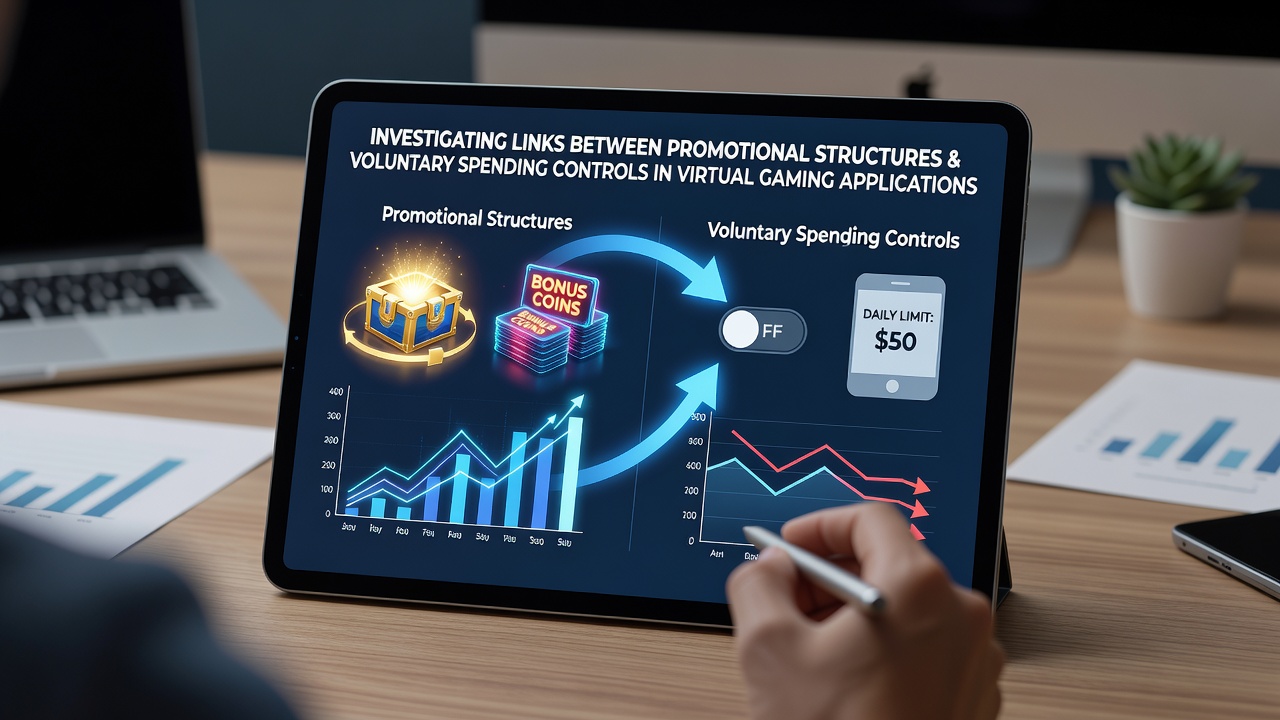
Investigating Links Between Promotional Structures and Voluntary Spending Controls in Virtual Gaming Applications
Virtual gaming applications have expanded rapidly since the early 2020s, and researchers have tracked how promotional structures such as daily login rewards, bundle discounts and time-limited offers interact with the voluntary spending controls that players activate inside those same platforms. Data collected through app analytics platforms shows that users who receive frequent promotional notifications often adjust their self-imposed spending caps at different rates compared with users who encounter fewer incentives, and several academic teams have begun mapping these behavioral patterns across large user samples.
Promotional Structures Commonly Deployed in Gaming Apps
Game developers integrate promotional elements that encourage continued engagement through incremental rewards, and these structures range from simple streak bonuses to tiered loyalty systems that unlock additional in-app currency after repeated purchases. Industry reports compiled by the Interactive Games and Mobile Association indicate that such features appear in over 70 percent of top-grossing titles released between 2023 and 2025, while a separate analysis from the Canadian Centre for Addiction and Mental Health found that promotional frequency correlates with session length in certain free-to-play titles. Observers note that developers adjust reward values seasonally, and this practice continued through the summer of 2026 when several major studios introduced event-based multipliers tied to global sports calendars.
Voluntary Spending Controls Available to Players
Most major gaming platforms now embed tools that let users set daily, weekly or monthly expenditure limits directly within account settings, and these controls function without requiring external verification in many jurisdictions. Researchers at the University of Sydney documented that adoption rates for these tools increased steadily from 2022 onward, reaching approximately 18 percent of active accounts in monitored regions by mid-2026. The same study revealed that players who enable spending caps frequently cite budget management as the primary reason, while a smaller subset reports using the features after receiving targeted promotional messages that highlight upcoming limited-time offers.
Research Examining Connections Between the Two Features
Investigators have examined whether promotional intensity influences how often players modify or remove their own spending limits, and preliminary findings suggest a measurable association in several datasets. One longitudinal review tracked over 120,000 accounts across three months in 2025 and determined that accounts receiving above-average promotional volume adjusted their limits upward 1.4 times more frequently than accounts with standard promotion exposure. Another project conducted by European academic consortia compared limit-setting behavior before and after major promotional campaigns, noting temporary spikes in limit increases that coincided with the launch windows of those campaigns.
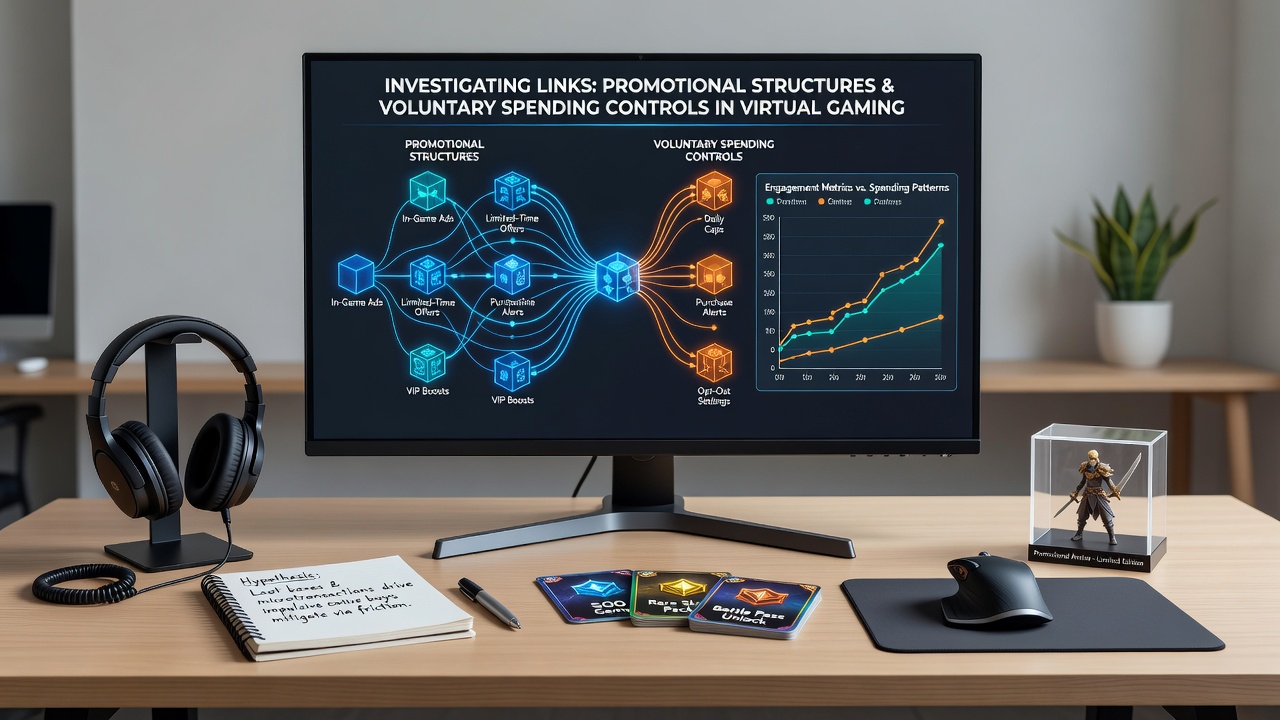
Further analysis incorporated variables such as reward type and notification timing, and results indicated that time-sensitive offers produced stronger short-term shifts in limit behavior than static loyalty points. Figures released by the Australian Institute of Family Studies in August 2026 highlighted similar patterns among younger adult cohorts, where promotional engagement preceded changes to spending caps in roughly 22 percent of observed cases. These studies emphasize correlation rather than direct causation, and researchers continue to control for additional factors including income level and prior gaming frequency.
Regional Regulatory Approaches and Data Collection
Authorities in multiple jurisdictions have begun requiring platforms to log interactions between promotional activity and spending-control usage, and these mandates have generated new datasets for independent review. Canadian provincial regulators, for instance, now collect anonymized records that separate promotional receipt timestamps from limit-adjustment events, allowing analysts to identify temporal clusters. In parallel, the National Council on Problem Gambling in the United States has published aggregated summaries showing that voluntary limit tools appear more frequently in titles that also maintain high promotional density, although the organization stresses that further longitudinal work remains necessary before drawing firm conclusions.
Conclusion
Current evidence establishes observable statistical associations between promotional structures and the activation or modification of voluntary spending controls within virtual gaming applications, while ongoing research projects continue to refine measurement methods and expand sample coverage. Regulatory bodies across North America adn Australia have incorporated these findings into reporting frameworks, and academic groups maintain active studies that track developments through 2026 and beyond. The collected data provides a foundation for continued examination of how in-app incentive systems and player-managed tools coexist inside the same digital environments.