Mapping Cryptocurrency Flow Patterns to Voluntary Limit-Setting Behaviors in Digital Gaming Platforms
Otto Krüger · Aug 21, 2026
Mapping Cryptocurrency Flow Patterns to Voluntary Limit-Setting Behaviors in Digital Gaming Platforms
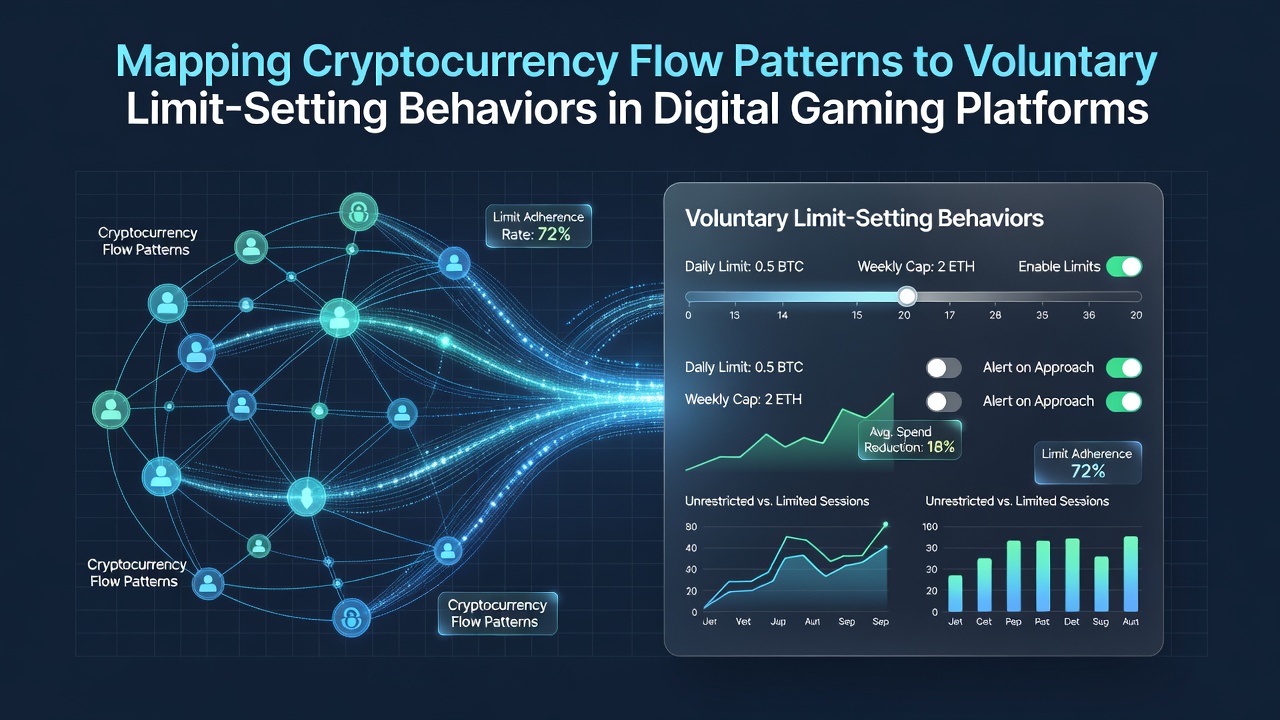
Digital gaming platforms that accept cryptocurrency have created new opportunities for researchers to examine transaction data alongside player-set boundaries, and analysts track wallet addresses moving funds into and out of these environments while noting when users activate voluntary deposit caps or session timers. On-chain records from major blockchains reveal clusters of activity that correspond to periods before and after limit activation, with volumes often declining once restrictions take hold because players route smaller amounts through the same addresses or pause activity entirely.
Cryptocurrency Transaction Visibility in Gaming Ecosystems
Public ledgers allow observers to follow coins from exchanges to gaming wallets and back again, while platforms record timestamps that align with player accounts even when addresses rotate through mixing services or layer-two solutions. Data from multiple networks shows that August 2026 brought increased scrutiny as regulators requested more detailed reporting on flows exceeding certain thresholds, and industry groups compiled statistics indicating that roughly 18 percent of monitored addresses exhibited repeated patterns of high-frequency deposits followed by abrupt reductions after limit tools were engaged.
Researchers at academic institutions have cross-referenced these flows with platform logs to identify sequences where large incoming transfers preceded limit activation by hours or days, after which subsequent transfers dropped in size and frequency. Such sequences appear consistently across different jurisdictions because many platforms now integrate on-chain monitoring tools that flag unusual patterns without revealing personal identities.
Voluntary Limit Mechanisms and Their Implementation
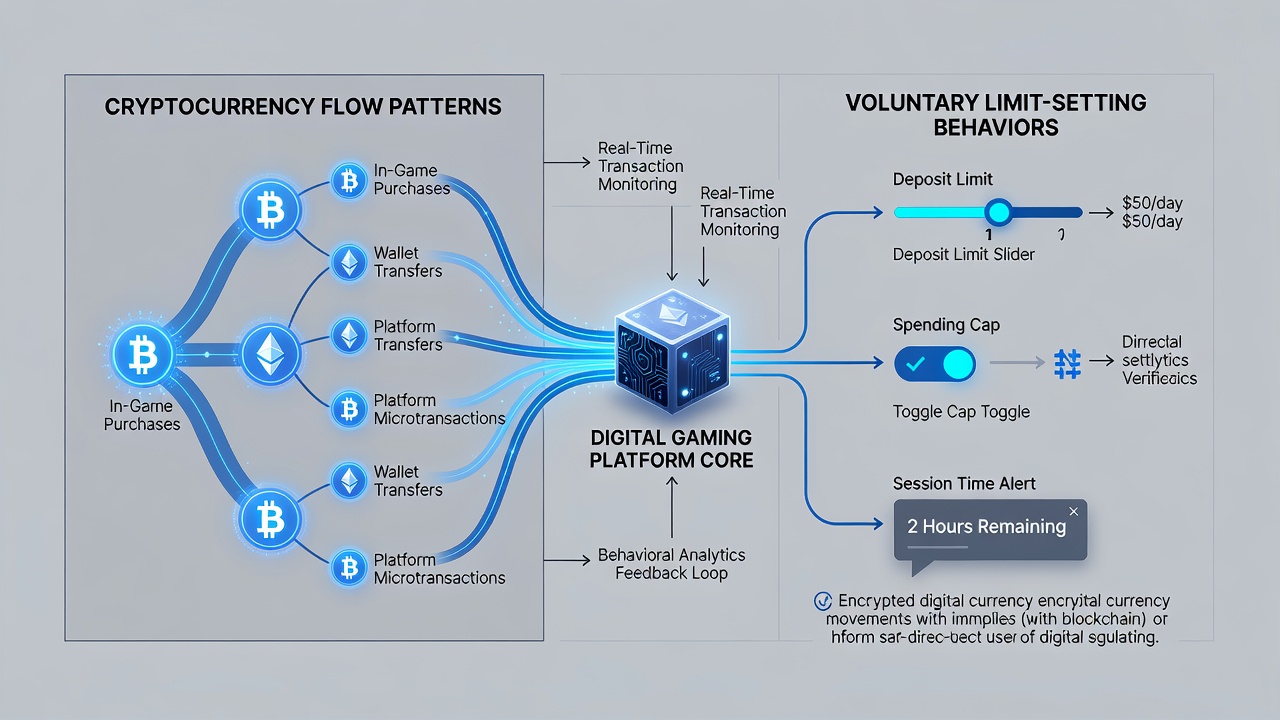
Platforms offer several types of self-imposed controls including daily deposit ceilings, weekly loss thresholds, and mandatory cooling-off periods that players select through account dashboards. These tools operate independently of mandatory regulatory requirements yet generate additional data points when users choose to apply them because the platform records both the request and the subsequent change in transaction behavior.
One analysis of Ethereum-based gaming contracts found that addresses linked to accounts with active limits displayed a median reduction of 42 percent in weekly volume within the first seven days after activation, while addresses without limits maintained steadier flows. Similar observations emerged from studies of Tron and Solana networks where gaming applications have gained traction because of lower fees.
Correlating Flow Data With Limit Adoption
Mapping exercises combine blockchain analytics platforms with aggregated platform statistics to highlight temporal relationships. For example, clusters of addresses that sent funds to a single gaming contract often showed synchronized drops after a subset of those addresses triggered deposit limits, suggesting that player decisions influence broader network activity around that contract. Australian regulatory reports released in mid-2026 documented comparable trends across several licensed operators, noting that voluntary limits coincided with measurable decreases in average transaction size rather than complete cessation of play.
Canadian researchers examined data from operators licensed in multiple provinces and observed that players who set time-based limits tended to reduce the number of distinct wallet addresses used over a month-long period. This behavior produced cleaner flow patterns that were easier to map because fewer mixing hops occurred once the restriction took effect.
Technical Approaches to Pattern Recognition
Analysts apply clustering algorithms and temporal graph analysis to separate routine gaming activity from limit-influenced sequences. These methods identify recurring motifs such as repeated small transfers after a large deposit that triggered a weekly cap, or sudden pauses lasting several days followed by resumed activity at lower volumes. European Commission-funded projects have supported development of open-source tools that platforms can use to generate anonymized reports for academic review without exposing individual user details.
Because cryptocurrency transactions carry metadata like gas prices and smart-contract interactions, researchers can also distinguish automated bot activity from human-driven play even when limits are active, which helps isolate genuine behavioral shifts from technical artifacts.
Regulatory Context and Data Sharing
Authorities in several regions now request aggregated flow statistics that include voluntary limit metrics as part of broader anti-money-laundering oversight. A 2026 report prepared for the Financial Crimes Enforcement Network in the United States highlighted how limit adoption rates varied by asset type, with stablecoin flows showing faster responses to caps than more volatile cryptocurrencies. Industry associations have begun publishing voluntary guidelines that encourage standardized reporting formats so that cross-border comparisons become feasible.
Conclusion
Mapping cryptocurrency flows against voluntary limit adoption continues to provide measurable indicators of player behavior across digital gaming platforms, and ongoing data collection through August 2026 and beyond supplies researchers with expanding datasets. These correlations support more precise monitoring while preserving the privacy features inherent to blockchain systems, and they offer platforms concrete metrics for evaluating the operational impact of self-regulation tools.